How I think
Look beyond the immediate problem. Understand how a decision affects the wider operation, what other work depends on it, and where a change will create the most value.
Hi, I’m
Understand the system. Move the work forward.
I’m a technology and program leader with a hands-on technical foundation. I connect strategy to execution by aligning technical projects, people, and resources around shared operational goals.
Across defense, federal IT, and commercial environments, my focus is delivering capability, managing risk, and making investments count.

My story
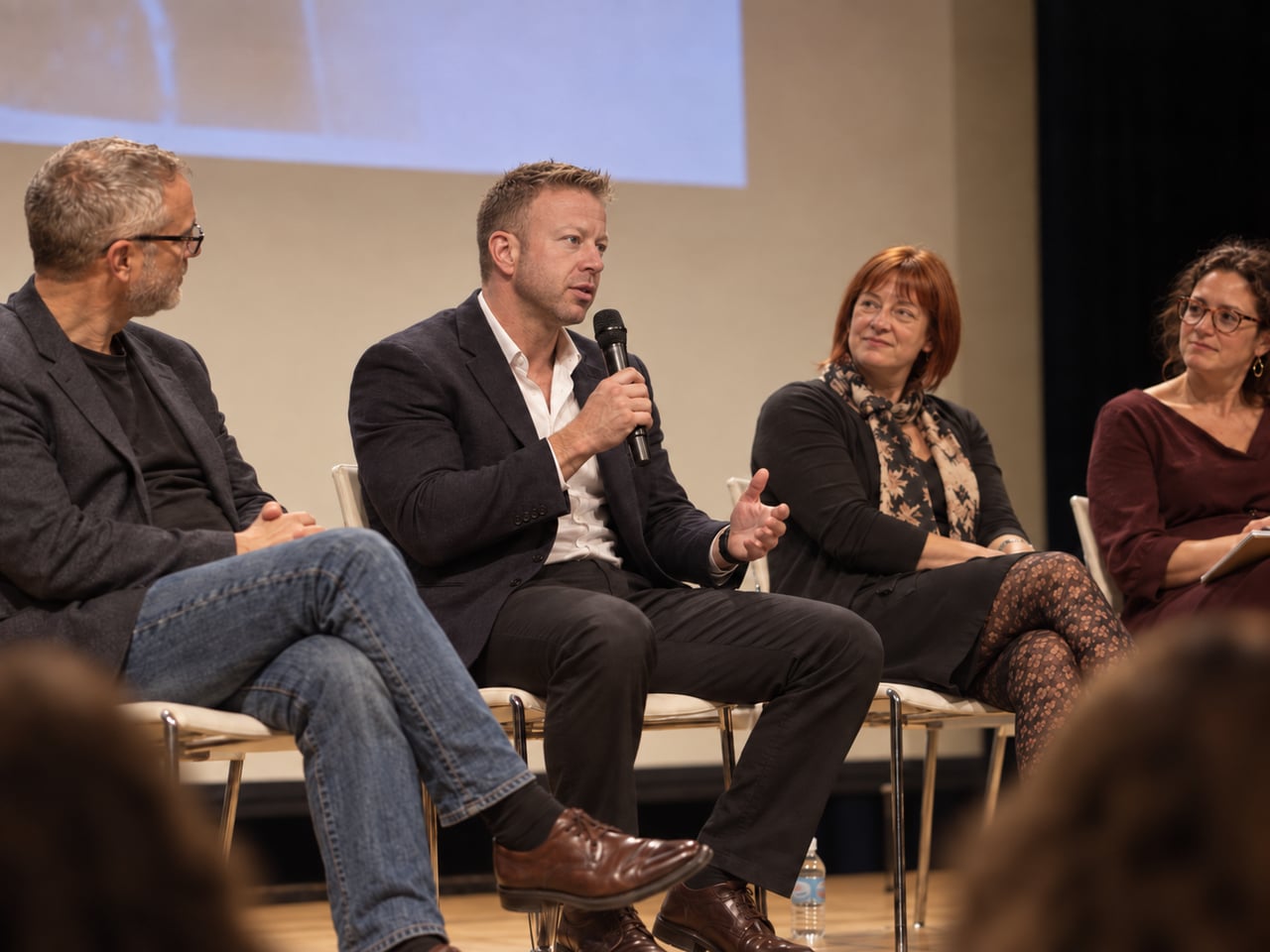
I’m a Chief Warrant Officer and a technology and program leader with experience across military, federal, and commercial environments. My career began in electronics, communications, and field troubleshooting, where the people relying on a system felt the consequences when it failed.
That foundation grew into systems integration, infrastructure projects, technical team leadership, and advising senior decision-makers. My military service has included coordinating technical planning, integration, procurement, and operational support to meet mission needs.
Those experiences shaped how I approach programs: understand the dependencies, align people and resources, manage risk, and keep technical decisions connected to the outcome. I bring that wider view while staying close enough to the details to understand what delivery requires.
MBA, Information Technology Management · B.S., Network Operations & Security · Project Management Professional (PMP)
How I approach
I start with the value the work needs to create: time returned, resources used more effectively, risk reduced, or a capability the organization needs.
Managing a program means understanding how related projects contribute to that outcome. I focus on the dependencies, competing priorities, and decisions that affect the whole effort so teams can move forward with shared purpose and clear ownership.
Agree on what needs to change, why it matters, and how success will be judged.
Understand the people, technology, related projects, and constraints that shape the result.
Identify where competing priorities, unclear handoffs, or missing information consume time and resources.
Sequence the work, clarify ownership, and weigh expected value against cost, effort, and risk.
Assess whether the work is delivering the intended value. Adjust priorities and execution as conditions change.
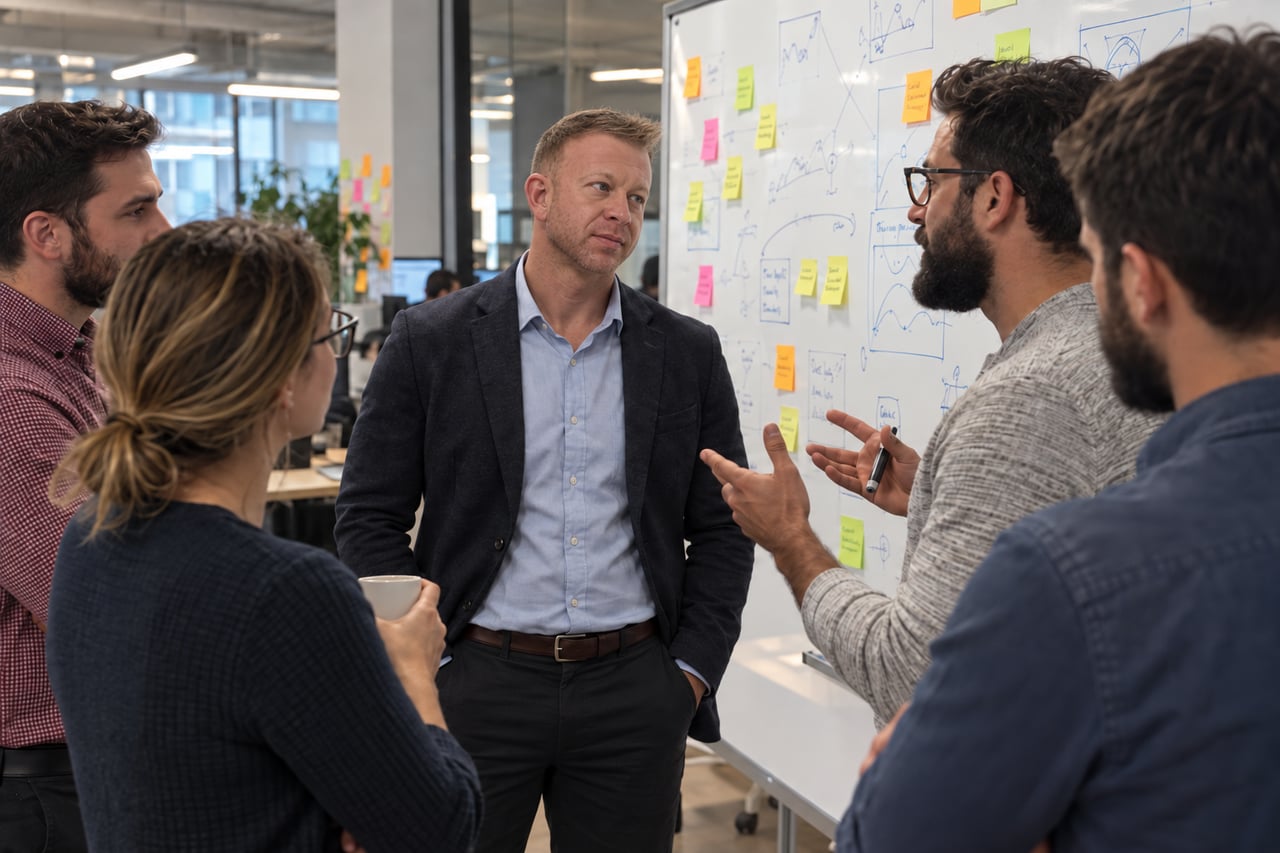
Look beyond the immediate problem. Understand how a decision affects the wider operation, what other work depends on it, and where a change will create the most value.
Connected technical systems, repeatable workflows, and practical delivery plans that help teams coordinate their work, reduce unnecessary effort, and put resources to better use.
I like understanding how things work, whether I’m troubleshooting technology, working on a hands-on project, or learning something outside my field. That curiosity keeps me questioning assumptions and looking for more useful ways to get things done.
Selected work

Large-scale defense and emergency-response missions required communications, data, and situational-awareness capabilities across distributed sites and teams.
I led technical planning, integration, procurement, exercise execution, team coordination, and operational support across network, satellite, cellular, and other communications technologies.
The work brought architecture, logistics, people, and delivery into one connected effort. It reflects how I approach program management: coordinate the dependencies, align resources with operational priorities, and keep each part of the work focused on the capability the mission needs.
Systems integration / Program delivery / Operational readiness